A new way to work
Review convertible touch designs for presentations and shared viewing, or larger screens for desk-based work. Confirm the actual software workload and peripheral requirements.
For established computer brands
Plan a new model around a clear gap in your range, an approved sample and a service process your team can support.
SURE ASCENT helps brand owners evaluate additional laptop models using existing product platforms. Configuration, branding, documentation, MOQ and delivery timing are confirmed for the selected build and destination.
01 / Product-line fit
Start with the users, applications and price position your current line does not cover. That gives the sample evaluation a purpose and helps your sales team explain why the new model belongs in the range.
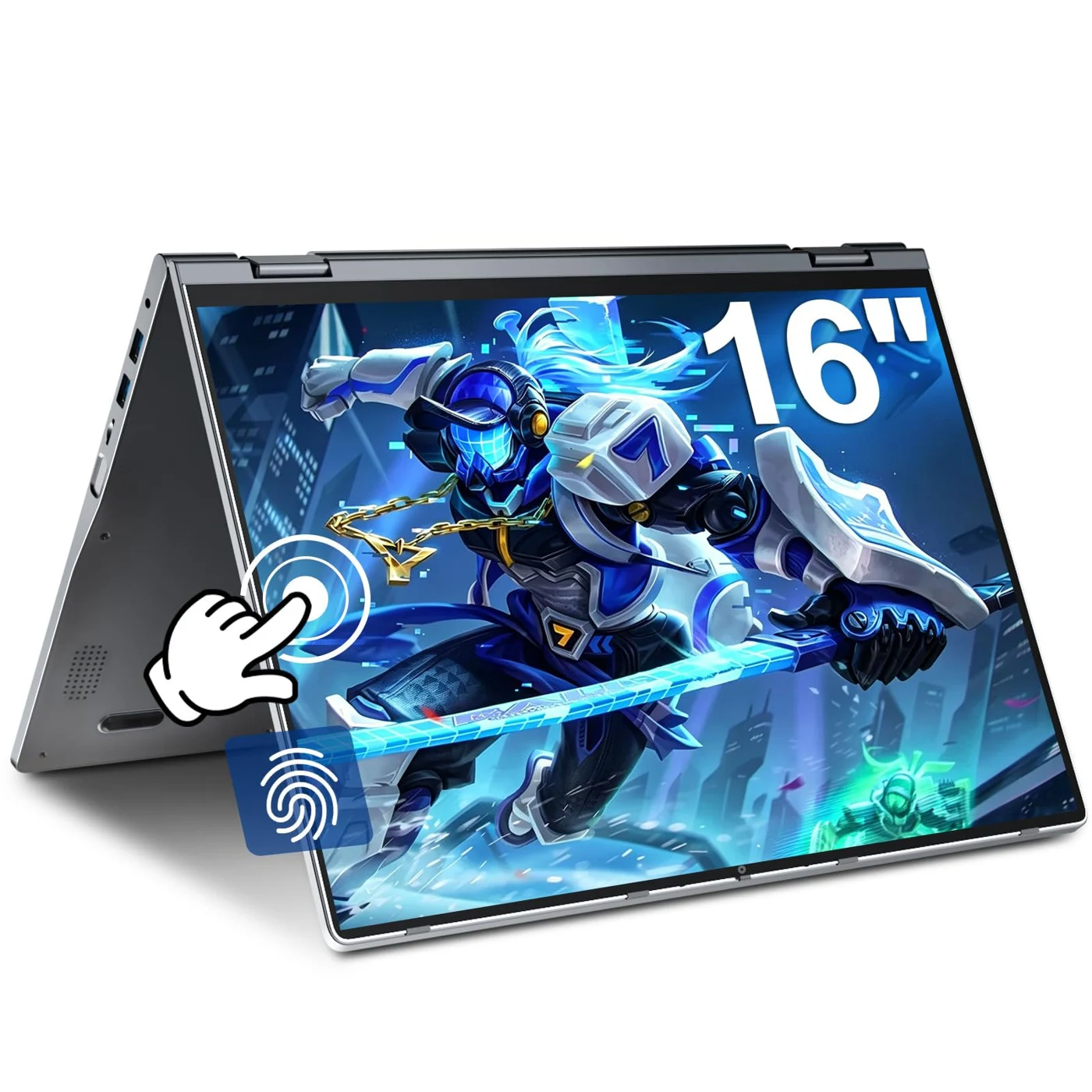
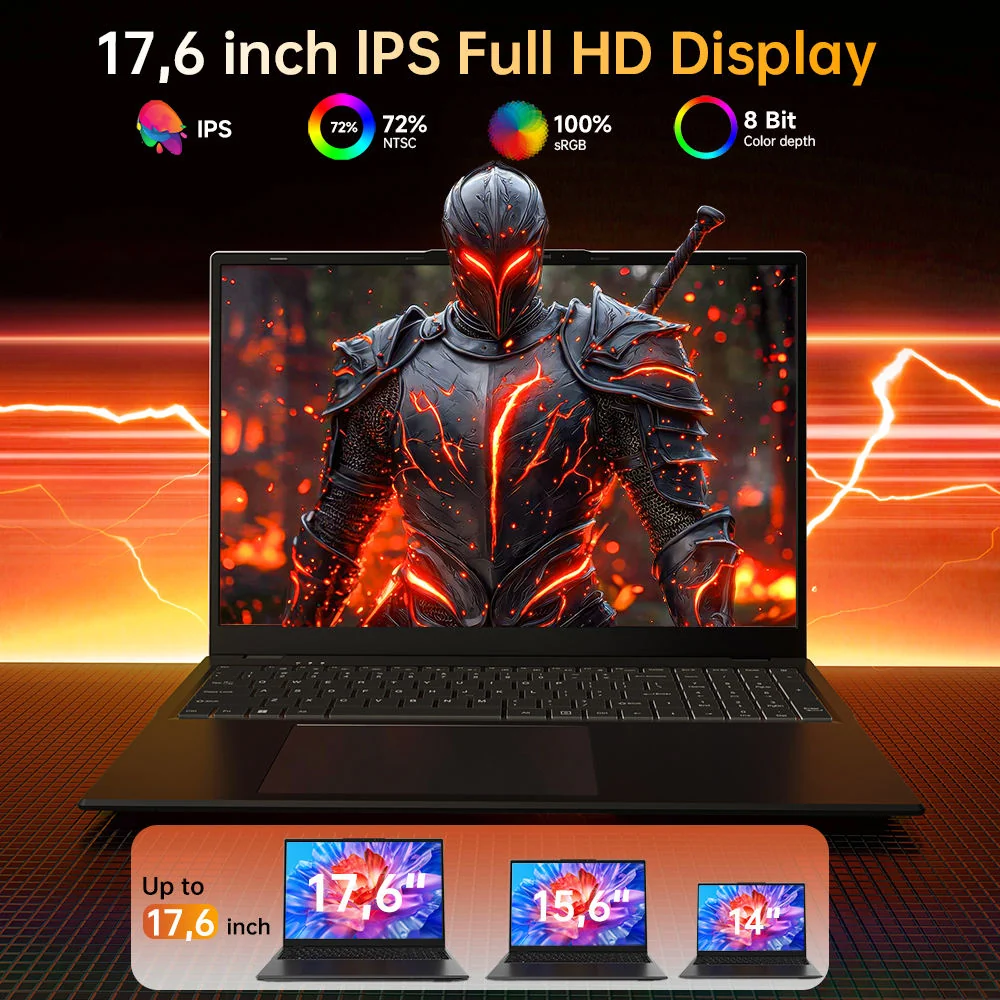
Review convertible touch designs for presentations and shared viewing, or larger screens for desk-based work. Confirm the actual software workload and peripheral requirements.
Set the target sales channel, destination, quantity and specification priorities. Identify which features are mandatory and which alternatives your market can accept.
Plan keyboard language, charger plugs, documentation, repair parts and reorder review together. Your local support team should evaluate the sample alongside sales.
02 / Platform shortlist
The models below provide starting points for discussion. CPU, memory and storage combinations on the product pages are reference builds. Alternatives depend on compatibility and component availability.
| Range direction | Platforms to review | Confirm with the sample |
|---|---|---|
| 15.6-inch business and education | M156FH · M156FB · S15 | Application performance, memory structure, storage interface, keyboard and service access. |
| Convertible touch | J1, 16-inch · R2, 15.6-inch | Touch response, working positions, hinge, ports and any required stylus compatibility. |
| Large-screen desk work | P1, large-screen clamshell · S18D, 18.5-inch | Panel specification, workload, cooling, power package and shipping dimensions for the selected version. |
| Entry-level education projects | NB15, 15.6-inch | Required applications and the 4GB LPDDR4 / 128GB eMMC reference architecture. Confirm whether another board is needed for your requirements. |
| Compact entry-level work and study | PN141, 14.1-inch HD | 1366 × 768 display, N3710, fixed onboard 8GB and 128GB storage capacity. Confirm storage medium, software compatibility and the actual workload. |
Platform evaluation does not imply a user-replaceable CPU or universal RAM / SSD upgrades. USB-C data, display output and charging functions are checked separately. Stock and lead time are confirmed in the quotation.
View all nine product platforms →Platform decision / P1 and R2
Choose P1 when a larger conventional laptop screen is the priority. Choose R2 when 10-point touch and laptop, stand, tent and tablet positions matter. The Core i3-10100Y reference builds share a processor family and a 16GB / 256GB starting configuration; the display, hinge and power package are different.
| Decision point | P1 large-screen laptop | R2 convertible touch laptop |
|---|---|---|
| Display | 17.5-inch · 1920 × 1200 · 16:10 · 250 cd/m² typical brightness | 15.6-inch · 1920 × 1080 · 16:9 · 240 cd/m² brightness |
| Touch and working positions | Non-touch conventional clamshell; no 360° conversion | Fully laminated 10-point touch; 360° hinge for four working positions |
| Memory and storage | 16GB DDR3 SO-DIMM + 256GB SATA3 SSD; M.2 2280 storage supported up to 2TB | 16GB DDR3 SO-DIMM + 256GB SATA3 SSD; one SSD slot, M.2 2280 storage up to 2TB |
| USB connections | 2 × USB 3.2 Gen 1, 1 × USB 2.0, 1 × full-function USB-C | 3 × USB 3.2 Gen 1, 1 × full-function USB-C |
| Charging and battery | 45W USB-C PD; 7.6V / 7000mAh battery, approximately 53.2Wh | 45W USB-C PD; 11.55V / 5000mAh battery, approximately 57.75Wh |
| Keyboard and wireless | Backlit US keyboard; Wi-Fi 6 and Bluetooth 5.2 | Backlit US keyboard; Wi-Fi 6 and Bluetooth 5.2 |
P1 panel size is version-specific: the current Core i3 technical reference specifies 17.5 inches, while other marketing references use the 17.6-inch class. Battery Wh values are calculated from voltage × capacity; they are not measured runtime figures. Both reference builds use a 45W USB-C PD charger with a 1.2m cable and have no DC charging input. Thermal design and weight are confirmed against the approved unit.
Evaluate your spreadsheet, browser and document workflow on the larger 16:10 display. Confirm the exact panel and keyboard language for your market.
Discuss a P1 projectEvaluate the hinge positions and 10-point touch response with your actual applications. Stylus support and pen inclusion require separate confirmation.
Discuss an R2 project03 / Sample and approval
Document the target market, mandatory specification, acceptable alternatives, first-order quantity and planned use. Define the tests and the person responsible for sample approval.
Check the display, keyboard, touchpad, ports, wireless connection and required applications. Confirm whether the evaluation unit represents the final build or only an initial platform direction.
Approve device artwork, labels, packaging, keyboard language and system setup. A standard sample does not approve later changes automatically. Review the private-label programme.
Confirm the configuration, artwork revision, charger, accessories, documentation and inspection criteria. Proposed substitutions and future reorder changes need review before supply.
Ask about sample scope and approval through our team, or send the evaluation requirements with your purchasing brief.
04 / Local service readiness
The standard ODM/OEM laptop policy provides a 12-month limited warranty from shipment for confirmed manufacturing defects. Diagnosis starts remotely; obtain RMA authorization before returning units.
Agree the return destination and freight responsibilities before dispatch. Chargeable repairs proceed after quotation and approval.
Read warranty, RMA and service targets →05 / Purchasing brief
Give us the decision criteria your product, purchasing and service teams need to review together.
MOQ, sample cost, setup charges, production schedule and shipping are confirmed for the platform and scope. Published examples are not live inventory or a binding price offer.
Buyer questions
No. The current P1 Core i3 reference is a conventional non-touch clamshell. R2 is the 15.6-inch 360-degree platform with 10-point touch. Choose the form factor before comparing memory, storage or branding options.
Yes. The documented R2 Core i3-10100Y configuration uses a 45W USB-C PD charger with a 1.2m cable and has no DC charging input. Its full-function USB-C port supports data, DisplayPort and PD charging.
Yes. Start with the gap in your current range, target market, quantity and specification. SURE ASCENT evaluates a suitable platform and confirms sample scope, branding feasibility, MOQ and timing before you commit to production.
No. The published combinations are reference builds. Alternatives depend on motherboard compatibility, component availability, cooling and power requirements. This does not imply a user-replaceable CPU or universal memory and SSD upgrades.
A standard unit can be used for an initial platform evaluation when available. Branding, keyboard, system image and other changes still need their own approval. Confirm which parts of the final order each sample represents.
MOQ depends on the platform and the requested changes. Available standard configurations may be evaluated from one unit. Logo application, permanent keyboard characters, packaging and firmware changes have their own feasibility and minimum quantities, which are confirmed in the quotation.
Agree the support process before launch. The standard ODM/OEM laptop policy is a 12-month limited warranty from shipment for confirmed manufacturing defects. RMA authorization, return freight, purchased service parts and any spare-unit allocation are confirmed for the project.
Send your current range, the product gap, target users and market, target specification, expected first and repeat quantities, branding requirements, target timing and local service plan. Include mandatory requirements and acceptable alternatives.