
Guide
A rollout goes wrong in the planning, not in the delivery. Four decisions carry almost all of the risk, and every one of them is cheaper to settle before the first order than after it.
Plan quantity, staging, spares and support together. Confirm the exact model, approved build, available supply window and conditions for releasing each batch. Sample availability, pilot quantities, branding and replacement compatibility require model-specific review. S18D is bulk-only with no evaluation samples.
Buyers usually begin with a platform and then discover the operational questions late. Planning in the other order surfaces them while they are still cheap to answer.
If this is an education or campus deployment, the education page compares the volume platforms; if it covers desk-based or multi-window work, start from business or large screen. Where one device has to serve as both laptop and tablet, see convertible laptops.
| Part of the rollout | What it depends on | Settled when |
|---|---|---|
| Quantity | Exact model and scope determine MOQ; planning quantities and selected-stock evaluation are confirmed by quotation | With the quotation |
| Staging | Whether the first delivery is a sample, a pilot batch or the whole order | Before production is booked |
| Specification | Platform, configuration, keyboard language, labelling and packaging | At specification freeze |
| Documentation | The compliance set for the destination market, plus battery transport documents for the freight mode | During quotation |
| Spares and serviceability | Spare parts supply, the warranty process and how RMA is handled | Agreed with your account |
| Supply continuity | Current supply window, approved build and review of proposed substitutions | Model-specific window confirmed in writing |
The last two rows are the ones that get skipped, and the two that decide how the rollout feels in its second year. Both are covered in more detail on supply continuity and warranty and RMA.
The date the users need working devices, whether one configuration covers everyone, and who supports the fleet afterwards.
Confirm an available evaluation unit or the agreed approval evidence for the exact build. Test image, drivers, workload, keyboard, power and required peripherals before freezing the specification. Price and preparation are quoted separately. S18D has no evaluation samples.
Configuration, customisation scope, tooling or artwork cost where it applies, lead time, the production window and the last-order date.
Selected available China-stock configurations typically dispatch in 2-3 business days after stock, payment and order details are confirmed. Overseas stock, coverage and transit depend on the exact model and address. Sample preparation and production are quoted separately; dispatch is not an arrival guarantee. Allow separate time for receiving checks, imaging, management enrolment and handover to users.
The sample page covers the approval stage, the shipping page covers transit and landed cost, and the market compliance page covers what the document set depends on.
Support is where a rollout is judged, because a device that fails in month nine is a support question rather than a procurement one. The framework is standard, and it is worth reading before you sign rather than after a failure.
Final coverage follows the confirmed order terms, the signed commercial documents and the agreed after-sales process. The warranty and RMA page sets out the framework in full.
Work back from the date users need working devices. Allow separate milestones for approval evidence, artwork, materials, production, dispatch, transit, receiving, imaging and handover. Confirm each schedule and its starting conditions in the quotation; overseas delivery is not a fixed 1-2-day promise.
Where the exact model is available for evaluation, use it to test the intended workload, image, drivers, keyboard, power and peripherals. Agree which evidence approves production and what needs retesting if the build changes. S18D is bulk-only with no evaluation samples; another model’s sample does not approve an S18D build.
MOQ depends on the exact model, configuration, materials and branding process. Selected available standard configurations may be quoted from one unit for evaluation. Around 100 units for a stocking batch and 1,000 units for a custom programme are planning references, subject to quotation. S18D is bulk-only with no evaluation samples. Define the pilot purpose, acceptance criteria and next-batch release conditions before committing.
Check current availability and compare the replacement with the approved fleet build, including board revision, configuration, firmware, drivers and accessories. Approve proposed changes before supply. RMA handling, replacement terms and freight responsibilities follow the confirmed order process; an identical replacement is not universally guaranteed for 24 months.
The standard ODM/OEM laptop policy provides a 12-month limited warranty from shipment for confirmed manufacturing defects. Agree remote diagnosis, RMA authorization, freight responsibilities, compatible parts and any chargeable repair work. Parts and service availability must be confirmed for the model.
The compliance document set for your destination market, agreed during quotation, plus lithium battery transport documents for the freight mode. Documentation follows the model and the market rather than the order size.
Record the exact build, approval evidence, quantity by batch, price and payment milestones, available supply window, any confirmed last-order date, documents, dispatch and delivery basis, receiving criteria, change approval and support responsibilities. A forecast does not reserve stock or components.
Use actual or clearly stated planning inputs for devices entering repair and the end-to-end return cycle, then add an agreed buffer. Confirm compatible builds, local repair capability, logistics and who funds and holds the pool. No fixed spare percentage or turnaround is established by the product price.
Compare nine model references below, then confirm the exact build, sample or bulk-approval route, quantity, supply window and terms. Listing a model does not establish live stock. S18D is bulk-only with no evaluation samples. See the product references.
| Record | Confirm before release |
|---|---|
| 1. Approved build | Model, configuration, board/firmware reference, image, keyboard, supplied power and artwork revision |
| 2. Batch and destination | Quantity, receiving site, required working-device date and the conditions that release the next batch |
| 3. Acceptance evidence | Agreed tests, inspection results, open defects, who approves them and which changes require retesting |
| 4. Shipment and receiving | Matched documents, packed quantity, dispatch basis, tracking, receiving inspection and discrepancy reporting |
| 5. Service handover | Asset list, diagnosis contact, RMA route, compatible spare parts, swap-pool responsibility and any agreed reservation |
Planning illustration only: if 2 devices enter repair per working day and the end-to-end return cycle is 5 working days, 2 × 5 = 10 devices may be unavailable before adding a buffer. Replace those inputs with your measured failures, logistics and repair turnaround. This is not a predicted failure rate, a fixed spare percentage or a service-time commitment.
Confirm who owns the swap stock, where it is held, how repaired units return to the pool and which exact build is compatible. Spare-parts and complete-unit reservations require a separate written agreement.
Send the deployment date, the size of the estate, the market and whether you need branding. We will confirm the platform, the quantity that is workable, the documentation set and the timeline, and set out what a pilot would look like. If you are still comparing supply options, the sourcing guide covers what to verify first.
 M156FH
 J1
 P1
 S15
 S18D
 R2
 NB15
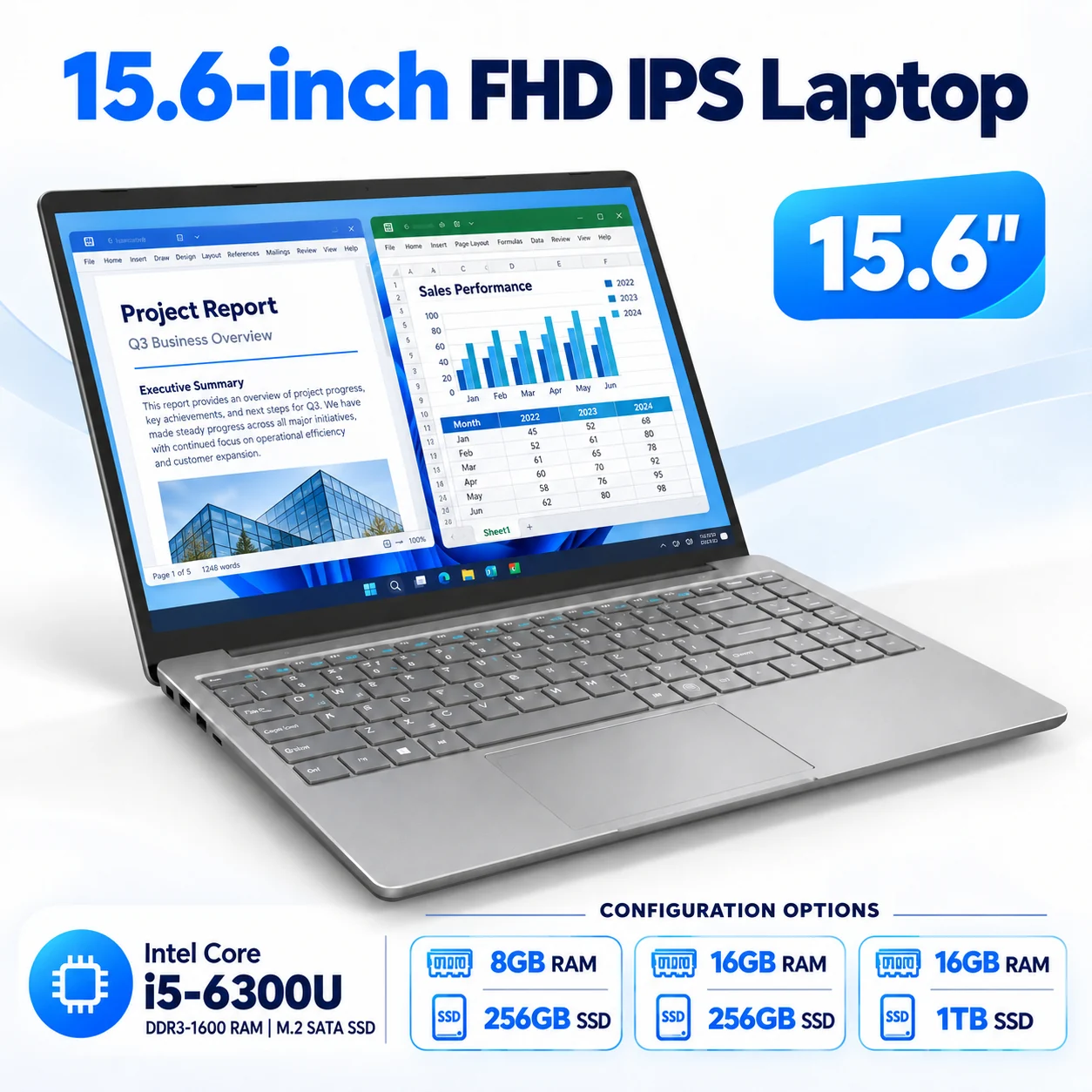 M156FB
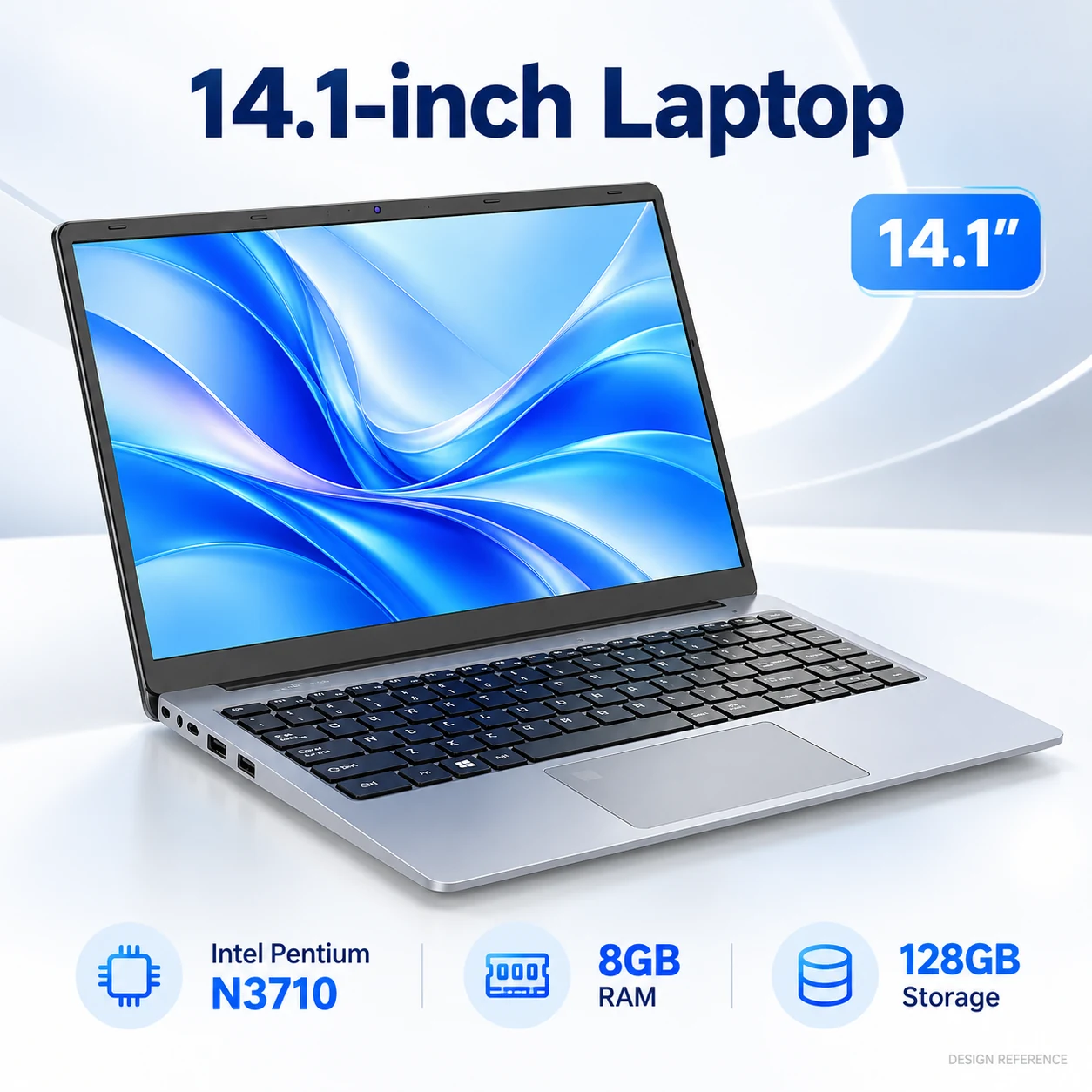 PN141